




Pregnancy and Postpartum
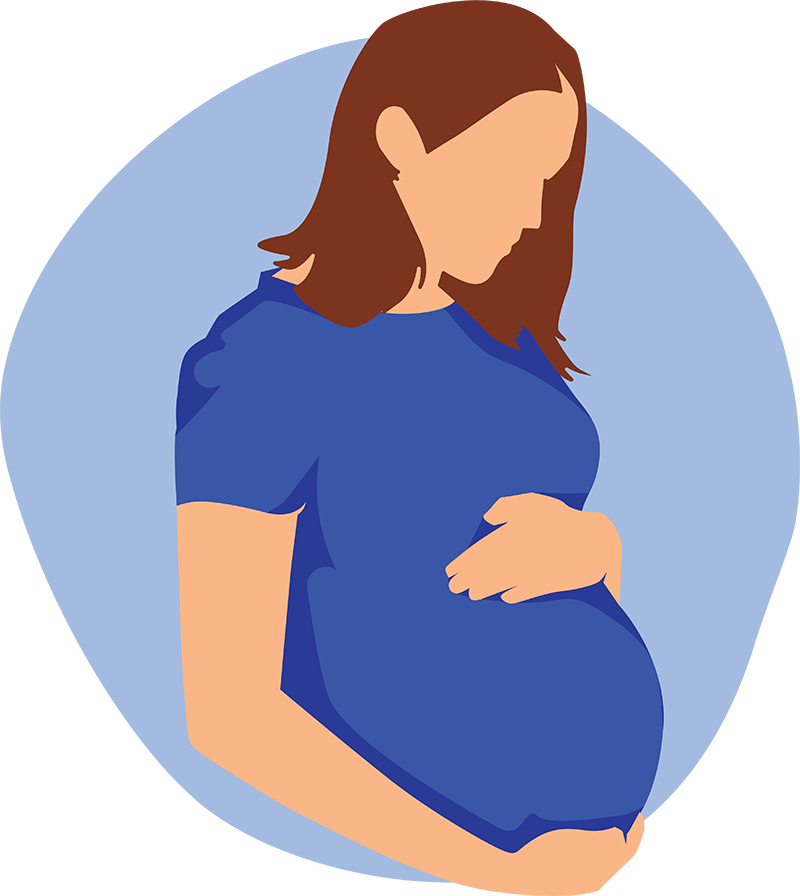
Everyone has their own pregnancy or postpartum journey…You may not feel as strong as you did before the baby, or maybe you’re experiencing discomfort you never have before. Perhaps you’re not experiencing any obvious symptoms during your pregnancy, but would like to optimize your health during pregnancy by adding a pelvic floor specialist to your healthcare team…At Vitality Pelvic Health, we can help address your needs across a broad spectrum of musculoskeletal diagnoses.
Can We Help?
Approach
We take a whole body evidence based approach to prenatal and postpartum care. Our goal is to help you achieve your goals during and after pregnancy.
Work 1:1 With A Physical Therapist
At Vitality Pelvic Health you’ll work 1:1 with your physical therapist to develop a plan of care. Your plan of care may include, but is not limited to:
- Prepare for and optimize delivery
- Address pregnancy related pain
- Provide education on positioning and delivery
- Recovery of pelvic floor strength and function postpartum
- Healing perineal tears
- C-section recovery
- Addressing leakage
- Heal diastasis recti
- Relieve and prevent hip or low back pain
- Prevent injury
- Address postural deficits related to pregnancy
- Safely return to exercise
Common complaints
Frequently Asked Questions
When can I return to exercise after delivery?
To return to exercise postpartum, it’s important to have two things – your OBGYN’s clearance and the feeling of readiness. Caring for a newborn is exhausting and you may not be ready to jump back in at 6 weeks.
Intensity of exercise should start low and gradually increase over time. Your physical therapist can help you determine a timeline and guide you safely through exercise progression based on your goals, regardless of vaginal or c-section delivery.
How long does it take to recover from a c-section?
C-section recovery varies from person to person, but most people begin to feel more “normal” around weeks 6-8. Your physical therapist can help guide your recovery and monitor your healing.
Why do I feel pressure in my pelvis?
Pelvic floor pressure is common during the first couple of months postpartum. This pressure can be the result of pelvic floor weakness and can be associated with incontinence or prolapse. Being properly evaluated by a physical therapist can help determine if there are any other contributing factors and help restore pelvic floor strength.
Do I have diastasis recti?
100% of pregnant women will experience diastasis with pregnancy, but not all of them will experience resolution of their separation postpartum without intervention. Your physical therapist can determine the extent of your separation postpartum.
Is Pelvic Floor Therapy safe during pregnancy?
Yes! Pelvic floor therapy is safe during pregnancy, and does not always entail internal examination or direct pelvic floor training. We can address pregnancy related pain such as low back pain, pubic symphysis pain, or sciatic. We can help you stay active throughout your pregnancy safely. Reach out to us with concerns and we will be glad to address them.
Get To Know Our Pelvic Health Team...

Tristen Swengle

Nikki Randolph
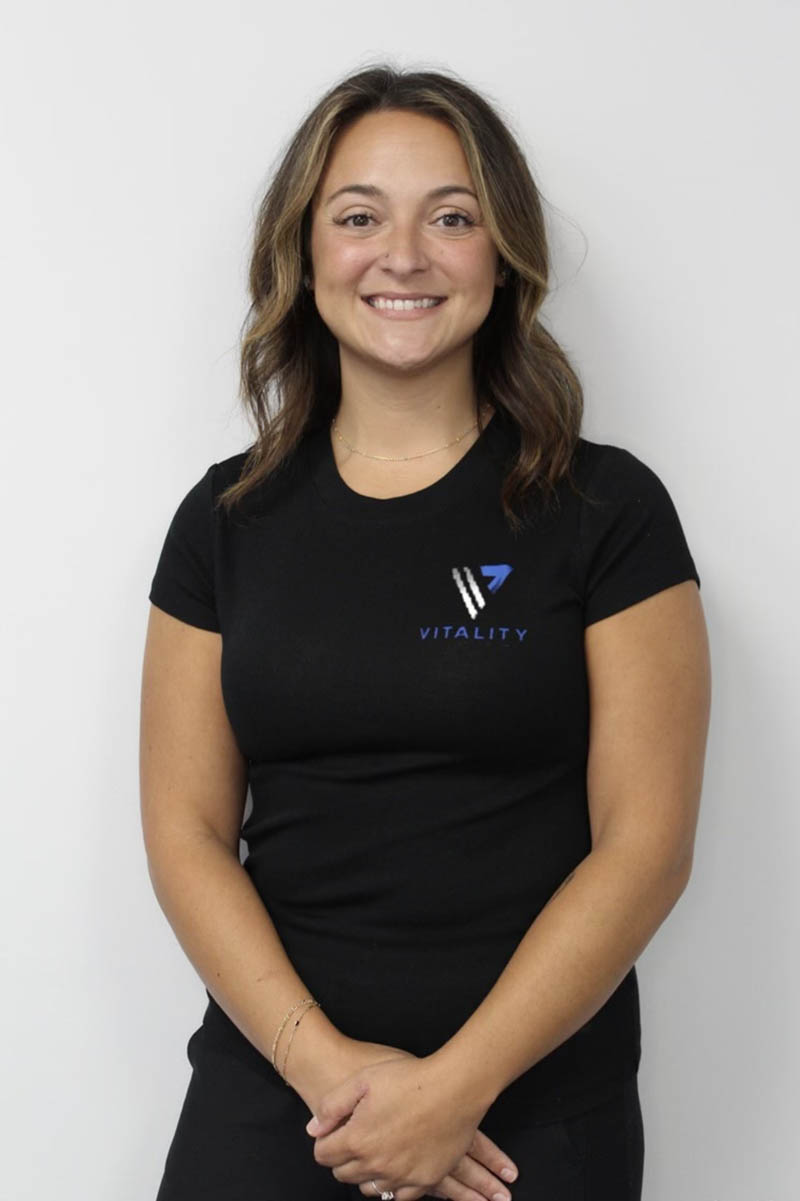
Deena Winham

Testimonials
What Clients Are Saying

I love working with Tristen! Pelvic floor therapy is so worth it and was necessary for my pregnancy. It significantly helped my lower back pain and prepared my body for labor and delivery. Everyone at Vitality is friendly and wonderful to work with. I highly recommend!

I started seeing Tristian for pelvic floor therapy while expecting my 4th baby, and I couldn’t be happier with how much she has helped me prepare for this birth and work through the pelvic pain I had experienced this time around. She is professional yet friendly and can talk through even the most “awkward” topics when it comes to the pelvic region, ensuring you are comfortable and informed every step of the way. I am looking forward to working with the vitality team postpartum this time around, too.