

If you’re experiencing pain when bending knee, you know it can show up at the worst times. You feel it when you squat in the gym, walk down stairs, kneel to play with your kids, or push off for that last sprint.
You start to wonder if you are doing long term damage or if you should stop your favorite activities completely. As a Sports PT at Vitality Therapy and Performance, I see how this pain can quickly turn into frustration, fear, and a loss of confidence in your body.
You want to move the way you used to, without bracing for a sharp twinge every time you bend. You want clear answers, not a vague “just rest it” that never really solves anything.
In this blog, we walk through what pain when bending the knee often means, why it shows up for active people, and what you can safely do about it.
You learn simple concepts, practical ideas, and how to better understand your body so you can get back to moving with trust and strength.
Why Your Knee Hurts When You Bend It
When you bend your knee, a lot happens in a small space. Your thigh bone, shin bone, kneecap, ligaments, tendons, cartilage, and muscles all share the load.
If one part takes more stress than it can handle, you feel it as pain with a squat, a lunge, a step down, or getting up from the floor. Your body is not failing you, it is sending a very clear message that something needs to change.
As part of our comprehensive physical therapy services, I look at how your knee moves, and also how your hips, ankles, and trunk control that movement. The goal is to find out what part of the system is asking for help so you can move with trust again.
You do not have to know every structure in the knee to understand your knee pain. You only need a clear picture of what tends to get overloaded and how to shift that load in a smarter way.
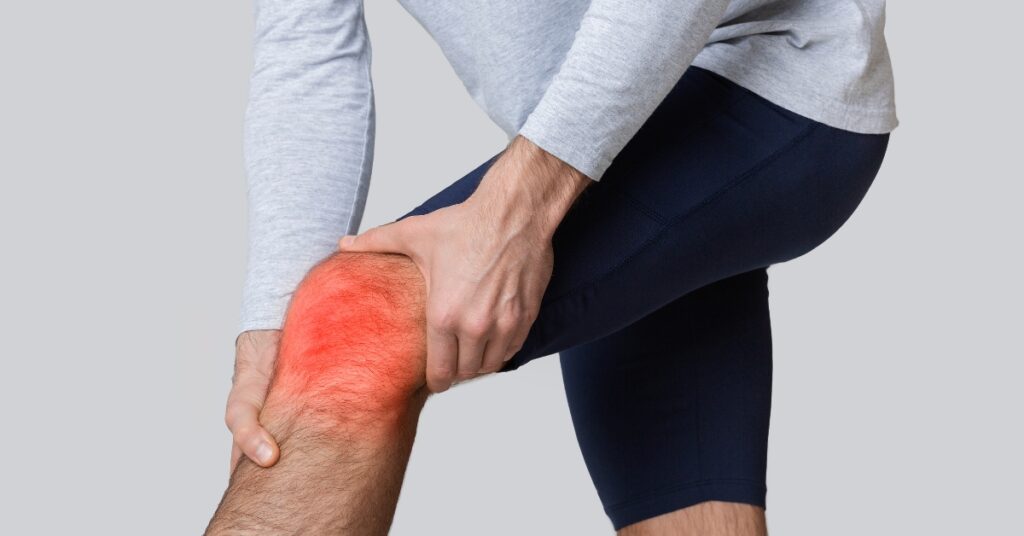
Common Reasons You Feel Pain When Bending Your Knee
You might feel like your knee pain came out of nowhere, but there is almost always a story behind it. Once you understand the story, you can start to change the ending.
Below are some of the most common patterns I see in active adults, athletes, and busy parents who feel knee pain with bending. You may notice yourself in one or more of these examples.
Front Of Knee Pain With Squats, Stairs, Or Running
A lot of people feel a dull, nagging ache around or behind the kneecap. It can flare up when you go down stairs, squat to pick something up, or sit for a long time.
This pattern often shows up when the kneecap does not glide smoothly in its groove. That can happen when certain areas are working too hard or not enough, such as:
• Hips that do not control your thigh well
• Quads that work hard but get tight and tired
• Feet and ankles that roll in or collapse
• Training volume that jumps up too quickly
You may feel:
• Ache in the front of the knee with stairs or hills
• Pain when you sit for a long time, then stand
• Discomfort when you do deep squats or lunges
The encouraging part is that this kind of front of knee pain usually responds well to strength work, form tweaks, and smart training changes. You do not have to give up squats or runs forever to feel better.
Tendon Irritation From Jumping And Lifting
If you feel a sharper pain just below or just above the kneecap, especially with jumping or heavy squats, your tendon may be irritated. This shows up a lot in volleyball, basketball, CrossFit, and any sport that involves fast, powerful movement.
Tendons like steady, predictable load and do not like big spikes. When you jump suddenly from a small amount of work to a lot, the tendon starts to complain.
You may notice:
• Pain when you take off or land from a jump
• Pain at the start of a workout that eases as you warm up
• Pain again later that night or the next morning
Total rest often makes the tendon feel stiff and weak. Tendons usually respond best to the right amount of loading, which means planned, progressive strength instead of random, all out effort.

Meniscus Irritation And Catching With Deep Bending
The meniscus is the padding between your thigh bone and shin bone. It helps with shock absorption and stability when you move and land.
When the meniscus gets irritated or torn, deep bending can feel sharp, stuck, or simply “off.” This can show up after a twist, pivot, or awkward step and is common in sports like pickleball, soccer, tennis, and weekend leagues.
You might feel:
• Sharp knee pain with deep squats or full kneeling
• Clicking or catching inside the joint
• A sense that the knee does not trust deep bend
Not every meniscus issue needs surgery. Often, strength, control, and smart load changes help the joint feel more supported, as long as you pay attention to locking, frequent giving way, or large amounts of swelling that need a more careful look.
You do not have to keep guessing if your knee is okay or hoping the pain fades on its own. If you are in Tulsa, Broken Arrow, Bixby, or nearby, our team is ready to help you understand what your knee needs and how to move forward.
We’re here to discuss your goals and best care options, so you can see if our approach fits what you want. To get started, call us at (918) 265 4688 or connect with us online to talk with a Doctor of Physical Therapy about what you want your body to be able to do next.
Whole Body Factors That Can Affect Your Knee
Sometimes your knee hurts, but the real story lives beyond the joint. Your energy, hormones, immune system, sleep, and recovery all influence how your tissues respond to stress.
If you deal with chronic fatigue, hormonal changes, or autoimmune issues, your body can feel more sensitive to load. That can make normal activities feel like too much more quickly.
Common whole body factors include:
• Poor or disrupted sleep
• High stress and low recovery time
• Under fueling or irregular eating
• Ongoing inflammation or immune conditions
This does NOT mean you cannot train or move.
It means you need a plan that respects your body capacity on a given day, and a functional approach to health can sit alongside Sports PT to support healing from the inside out.

When Knee Pain Is Normal Soreness And When To Be Concerned
Not every sensation around the knee is a crisis. Active bodies feel things, muscles get sore, joints feel tight, and that can be part of healthy training.
The goal is to learn the difference between normal training stress and a knee that truly needs more attention. Understanding this difference can keep you active while also protecting your long term joint health.
Signs It Is Likely Safe To Modify And Keep Moving
You can usually adjust your activity rather than quit completely when certain signs are present. These clues suggest that your knee is stressed but not in serious danger.
It is often safe to keep moving, with changes, if:
• Pain is mild and improves as you warm up
• Soreness fades within one to two days
• The knee does not swell or feel unstable
• You can still do daily tasks like walking and stairs
In these cases, small changes often help. You might reduce depth in a squat for a bit, cut back total sets, or change surface or shoes for running, while keeping the joint moving at a level it can tolerate.
Red Flags That Need More Attention
Some signs tell you it is time for a closer look. Ignoring these can turn a manageable issue into something more serious.
Red flags include:
• A sudden injury with a pop, sharp pain, and fast swelling
• A knee that locks and will not straighten or bend fully
• Frequent giving way or buckling
• Pain that gets worse week after week, no matter what you try
If you notice these, it is important to pause and get your knee assessed. Your body is asking for a plan, not punishment, and early help often keeps a small issue from becoming a long term problem.
Simple At Home Strategies To Ease Pain When Bending The Knee
You can usually start with simple, low risk changes that calm things down. These are not meant to replace a full assessment, but they can give you some control right away.
Think of these as short term tools to help your knee feel safer, while you work on the deeper reasons for the pain.
Short Term Relief You Can Try This Week
To settle symptoms and protect your knee, you can make small changes in how you train and move.
The goal is to find the sweet spot between helpful movement and overloading a sensitive joint.
Helpful approaches include:
• Reducing the depth of squats and lunges for now
• Swapping high impact moves, like jumping, for low impact options, like cycling or brisk walking
• Using ice after more intense activity if the knee feels hot or swollen
• Using gentle heat when stiffness is more of an issue than sharp pain
Gentle movement often feels better than total rest. Easy range of motion work, such as slow bending and straightening within a comfortable range, keeps the joint from tightening up.
Key Muscles That Support Your Knees
Your knee does not work alone. The muscles above and below it carry a lot of responsibility for how the knee feels.
Important areas to focus on include:
• Glutes and hip muscles for control of thigh position
• Quads for strength with stairs, squats, and standing
• Hamstrings for balance and support in bending
• Calves for push off when you walk or run
When these muscle groups share the load, the knee feels less overworked. Thoughtful strength work spreads stress across the whole leg instead of letting one small area take the hit.

Movement Form: Small Tweaks, Big Impact
Sometimes your knee hurts less because you got stronger. Other times it hurts less because you changed how you move, and often it is a mix of both.
Simple form changes can take pressure off irritated areas and help your body build better patterns.
For squats:
• Keep your knees in line with your second and third toe
• Sit your hips back, instead of letting your knees shoot far forward
• Spread your weight through your whole foot, not only your toes
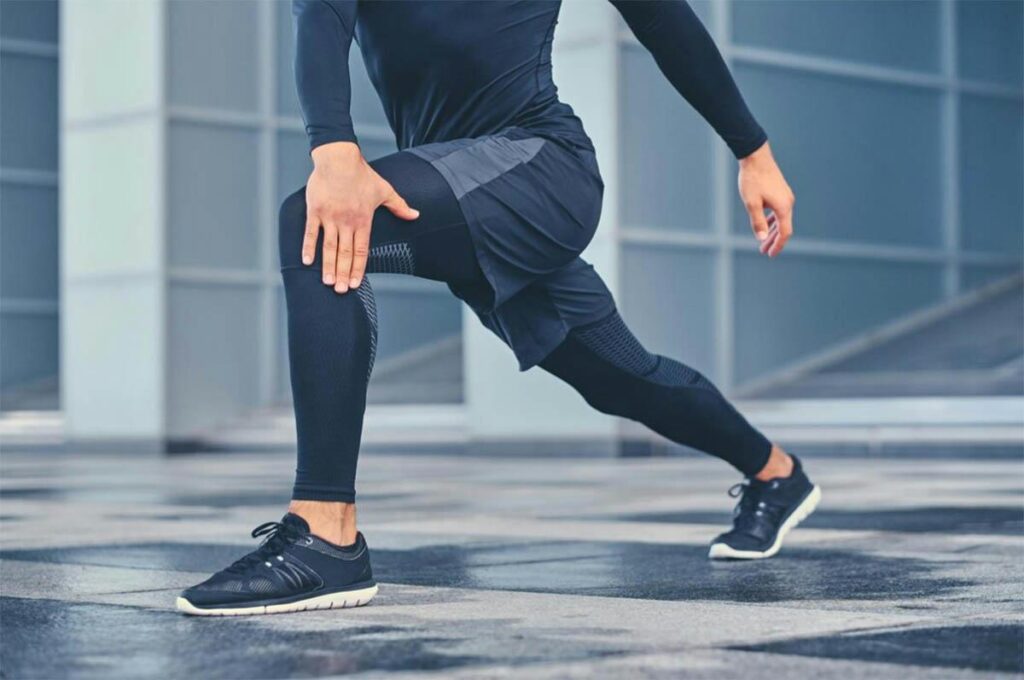
For lunges or step downs:
• Control the knee so it does not cave inward
• Take a smaller step to make it easier at first
• Move slowly, especially on the way down
For running:
• Keep your posture tall, not slumped
• Aim for light, quick steps instead of heavy, pounding strides
• Stay aware of fatigue, because form often drifts when you get tired

Little changes like these often reduce pain right away. They also help your brain and body build more efficient movement patterns that protect your knees over time.
How Sports Physical Therapy Helps You Move With Confidence Again
Sports PT focuses on how you want to live, train, and play. The aim is not only less pain, but more of what you enjoy doing, with less worry.
At Vitality Therapy and Performance, our Sports PT approach looks at performance, recovery, and long term joint health, not only short term symptom relief.
What A Sports PT Looks For With Knee Pain
When I assess a painful knee, I look far beyond one sore spot. The goal is to see how your whole system works together.
Typical parts of a Sports PT assessment include:
• Strength testing for hips, knees, and ankles
• Flexibility and mobility checks
• Balance and control tests on one leg and two legs
• Movement analysis for squats, stairs, running, and other key tasks
From there, we build a clear picture of what your knee needs. That clarity alone often feels like a huge step toward feeling in control again.
Why A Personalized Plan Matters
Knee pain with bending can come from many different sources. That means generic knee exercises often miss the mark for many people.
A targeted plan usually blends several key pieces, such as:
• Strength work to address weak links
• Mobility work for stiff areas that limit motion
• Practice of key movements, like squats or step downs, with better form
• Load management so you can still train at the right intensity and volume
The idea is to teach your knee and the rest of your body how to handle more over time. You build capacity instead of simply avoiding pain or stopping all activity.

Moving Forward From Knee Pain When You Bend
How We Help Active Adults And Athletes Protect Their Knees
When you feel *pain when bending your knee*, it can quickly steal the joy from lifting, running, training, and even simple daily tasks.
Our Sports PT team at Vitality Therapy and Performance focuses on helping you stay active and progressing, not just resting on the couch and hoping for the best.
We look at how you move, how you train, and what your goals are, then build a plan that fits your real life. The aim is simple and powerful, to help you bend, squat, climb, and land with confidence so your knee supports the way you want to live.
A Preventative Approach In Tulsa And Surrounding Areas
Whether you are a runner, a weekend athlete, a new parent, or supporting an active family, knee health shapes your daily life. We believe in preventative, personalized care that helps you stay ahead of problems instead of chasing them.
Our space is designed to feel clear, calm, and welcoming for every stage of life. The focus stays on straightforward guidance, simple language, and movement that feels good.
Ready To Take The Next Step
You do not have to keep guessing if your knee is okay or hoping the pain fades on its own. If you are in Tulsa, Broken Arrow, Bixby, or nearby, our team is ready to help you understand what your knee needs and how to move forward.
We’re here to discuss your goals and best care options, so you can see if our approach fits what you want. To get started, call (918) 265 4688 or connect with us online to talk with a Doctor of Physical Therapy about what you want your body to be able to do next.