

Perimenopause symptoms are the physical and emotional changes that show up in the years before your period stops for good, and they happen because your hormones are shifting and fluctuating rather than running low in a steady way. Common signs include irregular periods, hot flashes, night sweats, trouble sleeping, mood changes, and brain fog. These shifts can start in your forties, and sometimes earlier, and they can last for several years.
If you feel like your body is suddenly playing by new rules, you are not imagining it, and you are not alone. The good news is that perimenopause is a normal life stage, and there is a lot you can do to feel steady and strong through it. Here we walk through what the symptoms are, why they happen, how long they last, and the steps that help you feel like yourself again.
What You Need to Know About Perimenopause Symptoms
- Perimenopause is the transition before menopause, when hormones rise and fall unevenly.
- The most common signs are irregular periods, hot flashes, sleep trouble, and mood shifts.
- Symptoms can begin in your forties, sometimes earlier, and often last four to eight years.
- Many symptoms respond well to lifestyle changes, targeted support, and the right care plan.
- New or severe symptoms deserve a proper look, since other conditions can mimic perimenopause.
Do this today if perimenopause symptoms are wearing on you:
- Track your cycle and your symptoms for a few weeks so you can see the pattern.
- Protect your sleep with a consistent wind-down and a cool, dark room.
- Add protein and strength training to support your muscles, mood, and metabolism.
- Notice your triggers for hot flashes, such as alcohol, caffeine, or stress.
- Book a visit if symptoms are disrupting your sleep, mood, work, or relationships.
We help women across Tulsa, Broken Arrow, and Bixby understand what is happening in their bodies and build a plan that fits their life. Call us at (918) 265-4688 or reach out to our team to talk through your symptoms and your options.
What Is Perimenopause?
Perimenopause is the transition phase leading up to menopause, when your ovaries gradually make less estrogen, and your hormone levels swing up and down. It ends at menopause, which is the point when you have gone twelve full months without a period. The years before that, with all their ups and downs, are perimenopause.
The keyword is fluctuation. Your hormones are not simply low, they are changing from day to day and month to month, which is why symptoms can come and go and feel unpredictable. Understanding that pattern is the first step toward feeling more in control.
When Does Perimenopause Start?
Perimenopause most often begins in your mid-forties, though some women notice changes in their late thirties. The average age of menopause is around fifty-one, and perimenopause can stretch over several years before that. Your timing is influenced by genetics, health history, and other factors, so your experience may look different from a friend’s.
What Are the Most Common Perimenopause Symptoms?
The most common perimenopause symptoms are irregular periods, hot flashes, night sweats, sleep problems, and mood changes. Because hormones touch nearly every system in your body, the list can feel wide-ranging. Here are the signs women notice most:
- Irregular periods that are closer together, further apart, lighter, or heavier.
- Hot flashes and night sweats can interrupt your day and your sleep.
- Trouble falling asleep or staying asleep, even when you are tired.
- Mood changes, including irritability, anxiety, or feeling more tearful.
- Brain fog, forgetfulness, or trouble focusing.
- Changes in sex drive and vaginal dryness.
- Weight changes, especially around the midsection.
- Joint aches, headaches, or more tender breasts.
You will not have every symptom, and the mix is different for everyone. Many women have a handful that come and go as hormone levels shift.
What Are the Early Signs of Perimenopause?
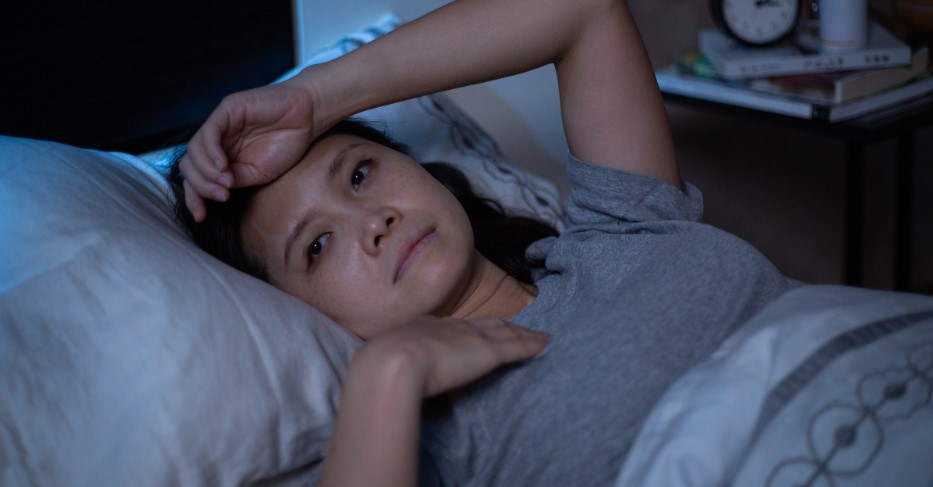
The earliest signs are often subtle changes in your cycle and your sleep. Your periods may become less predictable, and you may notice you wake more often at night or feel warmer than usual. Mood shifts and a shorter fuse can also show up early, before the more obvious hot flashes begin.
Why Do Perimenopause Symptoms Happen?
Perimenopause symptoms happen because estrogen and progesterone rise and fall unevenly as your ovaries wind down. Estrogen affects your brain, bones, skin, mood, and temperature control, so when it swings, you feel it in many places at once. Progesterone, which has a calming effect, also drops, which can affect sleep and mood.
This is why the experience feels so whole body. The table below connects a few common symptoms to what is happening underneath.
| Symptom | What is happening |
|---|---|
| Hot flashes and night sweats | Shifting estrogen affects the brain’s temperature control |
| Poor sleep | Lower progesterone and night sweats disrupt rest |
| Mood changes | Hormone swings affect brain chemistry and stress response |
| Brain fog | Estrogen influences focus and memory |
| Midsection weight gain | Hormone shifts change how your body stores fat and uses energy |
None of this means something is wrong with you. It means your body is moving through a real and normal transition, and it can use support.
How Long Do Perimenopause Symptoms Last?
Perimenopause typically lasts four to eight years, though it can be shorter or longer for some women. Symptoms often ease after you reach menopause, but some, such as hot flashes, can linger into the early postmenopause years. The length and intensity vary widely from person to person.
Because this is a stretch of years rather than weeks, it is worth building habits and support that you can sustain. Small, steady changes add up over time and make the whole transition smoother.
Is It Perimenopause or Something Else?
Some perimenopause symptoms overlap with other conditions, which is why a proper look matters. Thyroid problems, low iron, blood sugar issues, and high stress can all cause fatigue, mood changes, and brain fog. If your symptoms are severe, sudden, or do not fit the usual pattern, it is worth checking the fuller picture rather than assuming hormones are the only cause.
How Can You Find Relief From Perimenopause Symptoms?
You can find real relief through a mix of lifestyle foundations, targeted support, and a care plan built around your symptoms and goals. There is no single fix, but the combination of good habits and the right guidance makes a meaningful difference. Start with the foundations that support every symptom at once.
- Sleep. Keep a steady schedule, cool your room, and limit alcohol and screens before bed.
- Strength training. Building muscle supports your metabolism, bones, mood, and energy.
- Protein and whole foods. Steady blood sugar helps with energy, mood, and cravings.
- Stress care. Breathing, walking, and time outdoors calm the stress response that worsens symptoms.
- Movement most days. Regular activity improves sleep, mood, and hot flashes for many women.
These foundations help nearly everyone, and they are the base we build on. From there, care can be tailored to what is bothering you most.
How We Support You Through Perimenopause
We take a whole person approach that looks at your hormones, your habits, and your health history together. Rather than treating each symptom in isolation, we look for the root drivers and build a plan that fits your life. That can include thoughtful testing, nutrition and movement guidance, stress and sleep support, and a conversation about whether hormone therapy is right for you.
Most importantly, you are heard. You deserve to feel strong, supported, and in control of your health, and we are here to help you get there.
Does Diet Affect Perimenopause Symptoms?
Yes, what you eat can ease or worsen several perimenopause symptoms. Steady blood sugar supports stable energy and mood, while big spikes and crashes can fuel fatigue, cravings, and irritability. Building meals around protein, fiber, and whole foods helps you feel more even through the day.
- Prioritize protein at each meal to support muscle, mood, and fullness.
- Include plenty of vegetables, fruit, and fiber for steady energy and gut health.
- Notice whether alcohol and caffeine trigger your hot flashes or disrupt sleep.
- Stay hydrated and limit heavy, sugary meals late in the evening.
You do not need a rigid or restrictive plan. Small, consistent choices support your hormones and help you feel more like yourself.

Can Exercise Really Help Perimenopause Symptoms?
Yes, regular movement is one of the most effective tools for this stage of life. Strength training protects your muscle and bone, which both decline as estrogen falls, and it supports your metabolism and mood. Walking and gentle cardio improve sleep and help manage hot flashes for many women.
The goal is consistency, not punishment. A mix of strength work a few times a week, daily walking, and movement you enjoy gives your body steady support without burning you out.
What About Hormone Therapy for Perimenopause?
Hormone therapy is one option that helps many women with hot flashes, sleep, and other symptoms, but it is a personal decision that depends on your health history and goals. It is not right for everyone, and it is not the only path to relief. The best approach is an honest conversation that weighs your symptoms, your risks, and your preferences together.
We talk through the full picture with you, including lifestyle support, targeted care, and whether hormone therapy fits your situation. There is no pressure and no one size fits all answer, just guidance built around you.
How Is Perimenopause Diagnosed?
Perimenopause is usually identified from your symptoms and your cycle changes rather than a single test. Because hormone levels swing from day to day during this stage, one blood draw often does not tell the whole story. A thoughtful provider looks at your pattern of symptoms, your history, and your goals together.
Testing can still be useful, especially to rule out other causes like thyroid issues or low iron. The point is to understand your full picture, not to chase one number. That fuller view is what lets us build a plan that actually fits you.
When Should You See a Provider for Perimenopause Symptoms?
See a provider if your symptoms are disrupting your sleep, mood, work, or relationships, or if anything feels severe or sudden. You do not have to wait until things are unbearable, and you do not have to simply push through. Heavy or very irregular bleeding, in particular, is worth getting checked promptly.
At Vitality Therapy and Performance, we listen first, then build a plan around you. We bring together functional medicine, movement, and whole body care so you can move through this stage feeling steady and strong rather than sidelined.
Feel Like Yourself Again
Perimenopause is a normal transition, and you do not have to navigate it alone or in the dark. We help women across Tulsa and the surrounding area understand their symptoms, support their hormones and habits, and feel strong, steady, and in control again. No dismissive answers, no one size fits all plans, just care built around you.
What We Offer
We bring physical therapy, pelvic health, and functional medicine together under one roof, so your care looks at the whole picture of your health. Every plan is personal, built around your goals, your symptoms, and your life.
Talk With Our Team
If perimenopause symptoms are wearing you down, let us help you find steady ground. Call us at (918) 265-4688 or reach out to our team to claim your free discovery call and talk through your goals and best care options. You deserve to feel strong, supported, and in control of your health.

Frequently Asked Questions
What is usually the first sign of perimenopause?
For many women, the first sign is a change in their periods, such as cycles that become shorter, longer, or less predictable. Sleep changes and warmer nights often show up around the same time. These early shifts can begin years before the more obvious hot flashes.
How long do perimenopause symptoms last?
Perimenopause usually lasts four to eight years, though it can be shorter or longer. Many symptoms ease after you reach menopause, but some, like hot flashes, can continue into the early postmenopause years. The intensity and length vary from person to person.
Can perimenopause cause anxiety and mood swings?
Yes, shifting estrogen and progesterone affect brain chemistry and the stress response, which can bring on anxiety, irritability, and mood swings. These changes are real and common, not a sign of weakness. Support for sleep, stress, and hormones often helps a great deal.
What can I do to relieve perimenopause symptoms naturally?
Strong foundations help the most: steady sleep, regular strength training, protein and whole foods, and daily stress care. These support nearly every symptom at once and are the base of any good plan. Many women feel noticeably better once these habits are in place.
How do I know if it is perimenopause or my thyroid?
Thyroid problems can mimic perimenopause, causing fatigue, mood changes, and brain fog. The best way to tell is a proper evaluation that looks at your symptoms and the fuller picture together. If your symptoms are severe or do not fit the usual pattern, it is worth checking.
When should I see a provider about perimenopause?
See a provider if symptoms disrupt your sleep, mood, work, or relationships, or if anything feels severe or sudden. Heavy or very irregular bleeding deserves a prompt look. You do not have to wait until things feel unbearable to get support.