
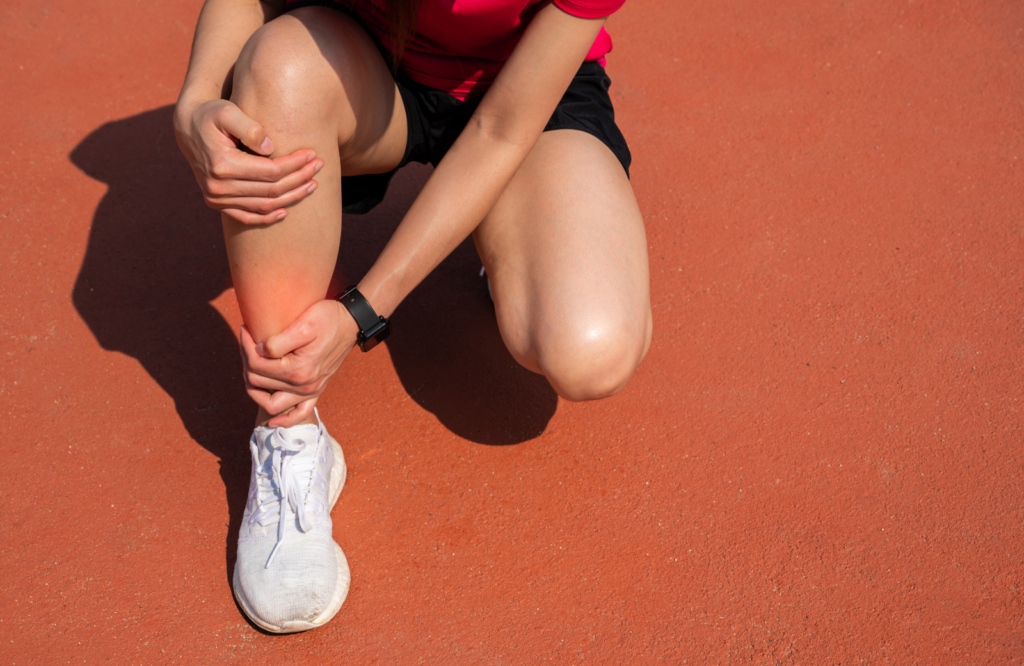
Shin splints treatment starts with rest, ice, and smart activity changes, then rebuilds you with calf stretches, strengthening, and a gradual return to running. Most cases settle without surgery when you calm the irritation early and fix what caused it.
That aching pain along the inside of your shinbone is your body asking for a pause, not a full stop. With the right plan, you can ease the pain and get back to the miles you love.
Here in Tulsa, we see shin splints in new runners, weekend athletes, and anyone who ramped up training too fast. It is one of the most common overuse injuries in active people, and it responds well to good care.
This guide walks you through what actually works, from the first painful week to a confident return. When you want hands on help, our team offers physical therapy in Tulsa built around your goals.
Key Takeaways to Start Today
- Rest from the activity that hurts and swap in low impact options like swimming or cycling.
- Ice the sore area for about twenty minutes several times a day to calm pain.
- Stretch and strengthen your calves and lower legs as the pain settles.
- Return to running slowly and increase your mileage in small steps.
- See a physical therapist if pain lingers past a few weeks or keeps coming back.
What Are Shin Splints, and Why Do They Happen?
Shin splints are pain along the inner edge of your shinbone, and they come from overuse that irritates the muscles, tendons, and bone tissue there. The medical name is medial tibial stress syndrome, and it usually builds up rather than striking all at once.
The cause is almost always doing too much, too soon. When you add mileage, speed, or hills faster than your legs can adapt, the tissue along the tibia gets overloaded and inflamed.
This is a common story among active people. The American Academy of Orthopaedic Surgeons describes shin splints as an inflammation of the muscles, tendons, and bone tissue around the tibia that often follows a jump in activity.
The good news is that shin splints treatment is usually straightforward. Catch it early, respect the pain, and rebuild wisely, and most people recover fully.
What Puts You at Risk for Shin Splints?
A few common patterns make shin splints more likely. You may recognize one or two in your own routine.
- Increasing your running distance or intensity too quickly.
- Running on hard surfaces or in worn out shoes with little support.
- Flat feet or feet that roll inward, which stress the lower leg.
- Tight calves and weak hips or core that change how you land.
- Coming back from a break and picking up right where you left off.
Spotting your own triggers is half the battle. Once you know what set it off, you can treat the pain and prevent the next flare.
What Is the Best Shin Splints Treatment at Home?
The best early shin splints treatment is a calm down phase that lets the irritated tissue settle. These simple steps handle most cases when you start them promptly.
How Do Rest and Ice Help?
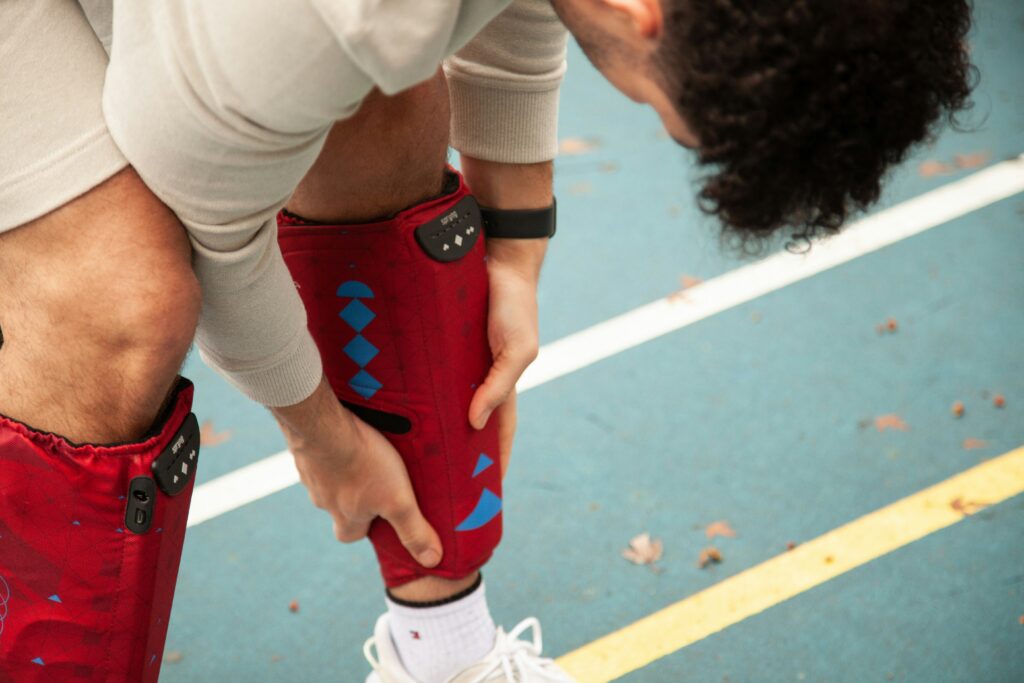
Rest is the foundation, because shin splints come from overuse and need a break to heal. Standard care includes several weeks of rest from the activity that caused the pain, with lower impact options to keep you moving.
Ice calms the pain and swelling. Cold packs for about twenty minutes at a time, several times a day, can take the edge off after activity.
What About Compression and Supportive Shoes?
Gentle compression and good footwear protect the healing tissue. An elastic wrap can limit swelling, and cushioned, supportive shoes reduce the pounding on your shins during daily life.
If your feet roll inward, arch support or inserts may help. These small changes take load off the sore inner shin so it can recover.
Which Low Impact Activities Keep You Fit?
You can stay in shape while your shins heal by swapping high impact pounding for gentler movement. These options protect your legs and keep your fitness up.
- Swimming or pool running for a full body workout with no impact.
- Cycling or a stationary bike to keep your legs strong.
- An elliptical trainer for a running like motion without the pounding.
- Upper body and core strength work on your days off from cardio.
Keeping active the smart way protects your progress. It also keeps you motivated while the sharp pain fades.
Do Ice, Massage, and Foam Rolling Help?
Ice, gentle massage, and foam rolling can all ease the discomfort of shin splints during recovery. They calm pain and loosen tight tissue, though they work best alongside rest and strengthening rather than on their own.
Foam rolling and massage on the calves can release the tightness that pulls on your shins. Keep the pressure gentle and stay off the sore bone itself, since direct pressure there can irritate things further.
Think of these as comfort tools that support the real work. They help you feel better so you can stay consistent with the stretching and strengthening that actually fix the problem.
Which Exercises Speed Up Shin Splints Recovery?
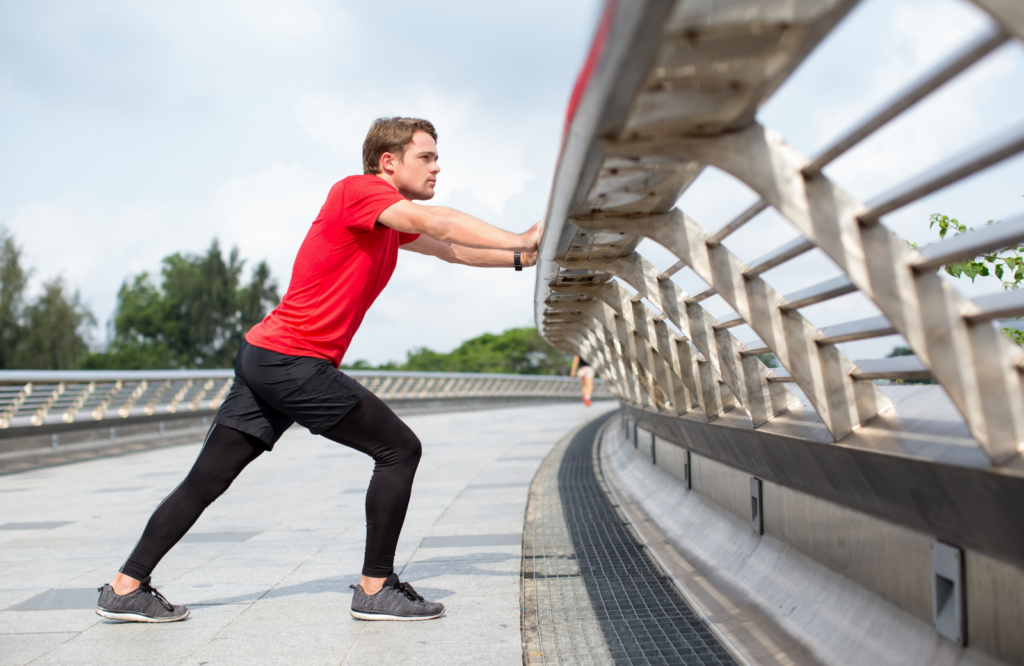
Once the sharp pain eases, stretching and strengthening become the heart of shin splints treatment. These moves fix the weak links that let the injury happen and prepare your legs to run again.
The table below groups the key exercises by goal so you can see how a simple routine fits together.
| Exercise | Goal | Suggested Dose |
|---|---|---|
| Calf stretch against a wall | Loosen tight calves | 3 holds of 30 seconds each side |
| Standing calf raises | Strengthen calves | 2 to 3 sets of 12 |
| Toe raises and heel walks | Strengthen the front shin muscles | 2 sets of 15 |
| Single leg balance | Improve control and landing | 30 to 60 seconds each side |
| Hip and glute strengthening | Steady your stride from above | 2 to 3 sets a few days a week |
Strengthening the calves, shins, and hips changes how force travels through your legs. A supervised foot and ankle conditioning program builds this strength safely, and the AAOS notes that an exercise conditioning program helps you return to daily activities and a more active lifestyle after a lower leg injury.
How Do You Return to Running Safely?

Return to running only after you can walk and do daily activities without shin pain. Start with short, easy runs and follow the ten percent rule, adding no more than about ten percent to your weekly distance.
Mixing walking and running at first works well. If pain returns, step back a level rather than pushing through, since flaring the injury only sets you back.
How Long Do Shin Splints Take to Heal?
Mild shin splints often calm down within two to four weeks of rest and smart care, while stubborn cases can take longer. The timeline depends on how early you start treatment and how well you rebuild before returning to impact.
Use the timeline below as a general map. Your pace may differ, and that is perfectly normal.
| Timeframe | What to Focus On |
|---|---|
| Week 1 to 2 | Rest, ice, and low impact cross training |
| Week 2 to 4 | Calf and shin stretching plus gentle strengthening |
| Week 4 to 6 | Progressive strength and a walk to run return |
| Beyond 6 weeks | Full return with prevention habits in place |
If your pain drags on past a few weeks or keeps returning, do not just wait it out. Ongoing shin pain can point to a deeper issue that deserves a proper look.
When Should You See a Physical Therapist or Doctor?
See a professional when pain lingers, worsens, or focuses on one small spot on the bone. Sharp, pinpoint pain that hurts at rest can signal a stress fracture, which needs prompt care.
A physical therapist finds the specific reasons your shins got overloaded, from tight calves to weak hips to your running form. We build a plan that treats the pain and fixes the cause, so it does not simply return.
How Do You Prevent Shin Splints From Coming Back?
Preventing shin splints is mostly about loading your legs wisely and keeping them strong. Once you have recovered, a few steady habits keep the pain from returning.
Build Up Slowly and Track Your Mileage
Most shin splints start with a sudden jump in training, so gradual progress is your best protection. Add distance, speed, or hills in small steps and give your legs time to adapt.
A simple training log helps you stay honest. When you can see your weekly mileage, it is easier to avoid the spikes that overload your shins.
Strengthen the Whole Leg, Not Just the Shin
Strong calves, ankles, hips, and core change how force lands with every stride. When these muscles share the load, your shins take far less of the pounding.
Two or three short strength sessions a week go a long way. Calf raises, single leg balance, and hip work build the base that keeps you running.
Check Your Shoes and Surfaces
Worn out shoes and hard surfaces quietly raise your risk. A few practical choices protect your legs over the long run.
- Replace running shoes before the cushioning breaks down.
- Choose shoes that match your foot type and gait.
- Mix in softer surfaces like grass or a track when you can.
- Add a proper warm up before you pick up the pace.
Small tweaks like these prevent big setbacks. They keep your training steady so you can chase your goals without interruption.
Does Running Form Matter for Shin Splints?
Yes, how you land can add or remove stress from your shins with every step. Many runners overstride and land hard on the heel, which sends a jolt straight up the lower leg.
A few gentle cues often help. Shortening your stride, increasing your step rate slightly, and landing softer can lighten the load on your shins.
Form changes work best with guidance, since one tweak can shift stress elsewhere. We watch how you actually move and coach small, lasting adjustments that fit your body.
What Early Warning Signs Should You Catch?
Shin splints give you a head start if you listen. Catching the first hints lets you adjust before the pain sidelines you.
- A dull ache along the inner shin that shows up during or after a run.
- Tenderness when you press along the lower leg.
- Soreness that eases with rest but returns when you run again.
- Tight, fatigued calves after your usual routine.
When you notice these, ease back before pushing on. A few lighter days and some calf work now can save you weeks of forced rest later.
Can Beginner Runners Avoid Shin Splints From the Start?
Yes, new runners can sidestep most shin splints with a patient start and a little preparation. The early weeks are when the shins are least ready for repeated impact, so easing in matters most.
A gentle on ramp protects your legs while they adapt. These simple moves set beginners up for a smooth, pain free start.
- Begin with a walk to run plan rather than long continuous runs.
- Run every other day at first so your legs can recover.
- Warm up before each run and stretch your calves after.
- Invest in proper running shoes fitted to your feet.
Patience early on pays off for months to come. A steady base keeps you running consistently instead of stopping and starting through injuries.
Frequently Asked Questions About Shin Splints Treatment
How do I get rid of shin splints fast?
The fastest path is to stop the activity that hurts, ice the area, and switch to low impact movement while the tissue calms. Add gentle calf stretching and strengthening as the pain eases, and return to running gradually so it does not flare again.
Should I keep running with shin splints?
Running through shin splints usually makes them worse and can lead to a stress fracture. It is better to rest from impact, cross train to stay fit, and return only once you can move through your day without shin pain.
Are shin splints a stress fracture?
Shin splints and stress fractures are different, though they can feel similar at first. Shin splints cause a broader ache along the shin, while a stress fracture tends to cause sharp, pinpoint pain on the bone, which needs a professional evaluation.
Do compression sleeves help shin splints?
Compression sleeves may ease discomfort and swelling for some people during recovery and activity. They are a helpful comfort tool, not a cure, so pair them with rest, strengthening, and a gradual return to impact.
What shoes are best for shin splints?
Supportive, well cushioned shoes that match your foot and gait help reduce the pounding on your shins. Replacing worn out shoes and adding arch support if your feet roll inward can take real stress off the inner shin.
Can shin splints come back?
Yes, shin splints can return if you ramp up activity too fast or skip the strength and mobility work. Building strong calves and hips, easing into mileage, and using good shoes greatly lower the odds of a repeat.
Ready to Beat Shin Splints for Good?
You do not have to trade running for rest forever. We help you calm the pain, rebuild your legs, and return to the activities you love here in Tulsa.
How We Help You Recover and Prevent the Next Flare
Our team blends hands on care with a personalized plan for your calves, shins, hips, and running form. We treat the pain and fix the cause, and we can guide runners through a safe return with our runners injury care.
You deserve to move strong, confident, and pain free again. We are here to walk that path with you, one steady step at a time.
Book Your Free Discovery Call Today
Take the first step with a free discovery call with our team to discuss your goals and best care options. Call us at (918) 265 4688 or reach out through our request an appointment page and let us help you feel like yourself again.